
Maintaining good oral hygiene goes beyond brushing twice a day. Cleaning between the teeth is essential for removing plaque, food debris, and bacteria that toothbrushes cannot reach. For many people, the question is whether traditional flossing or water flossing is the better option.
Understanding how each method works and what Wallaceburg dentists generally recommend can help patients choose the approach that fits their needs and lifestyle.
Why Interdental Cleaning Matters
The spaces between teeth are common areas for plaque buildup. If plaque is not removed regularly, it may harden into tartar and contribute to gum irritation, cavities, and other oral health concerns. Interdental cleaning supports routine care such as dental teeth cleaning, Wallaceburg appointments and helps maintain the results of professional care between visits.
Both flossing and water flossing aim to clean these hard-to-reach areas, but they do so in different ways.
Traditional Flossing Explained
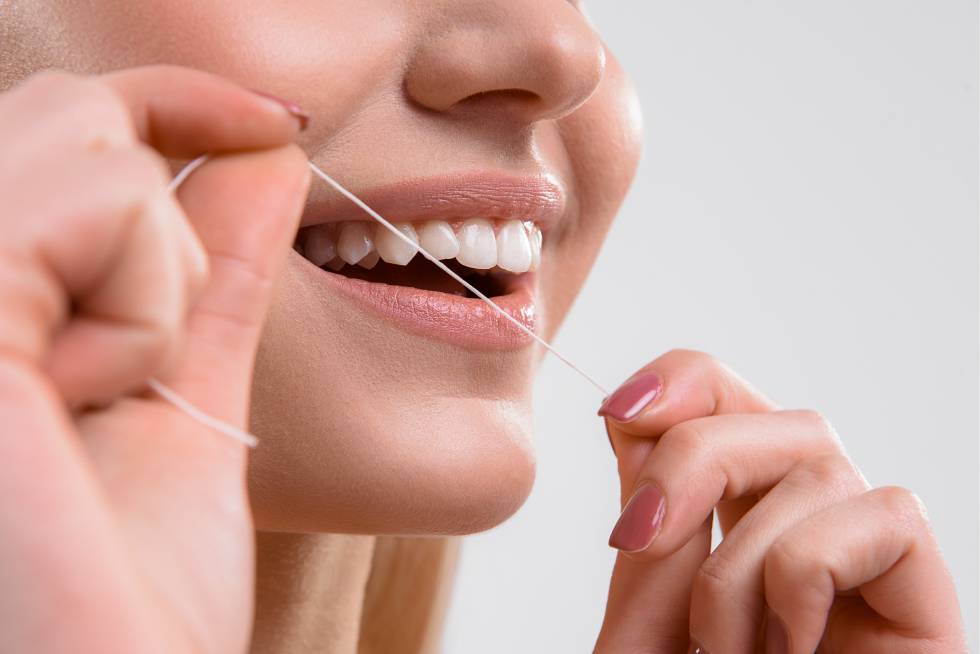
Traditional flossing uses a thin string to physically scrape plaque and debris from between the teeth and along the gumline. When done correctly, flossing can be very effective at disrupting plaque before it causes damage.
Benefits of traditional flossing include:
- Direct contact with tooth surfaces
- Low cost and easy availability
- No need for electricity or water pressure
However, flossing requires proper technique. Incorrect use may cause discomfort or fail to clean effectively. Some individuals find flossing difficult due to limited dexterity, dental work, or tight spacing between teeth.
What Is Water Flossing?
Water flossing uses a handheld device that sprays a controlled stream of water between teeth and along the gumline. The water pressure helps flush out food particles and bacteria. Many people find water flossing easier to use, especially those with braces, dental implants, or bridges.
Water flossing may be particularly helpful for patients who have dental implants Wallaceburg residents rely on, as it can clean around implant posts and under gum margins more comfortably. It may also benefit individuals with sensitive gums or limited hand mobility.
Comparing Effectiveness
Both methods can support good oral hygiene when used properly. Traditional flossing excels at mechanically removing plaque from tight spaces. Water flossing focuses on flushing debris and bacteria from areas that may be harder to reach with string floss.
Wallaceburg dental professionals often emphasize that consistency matters more than the method itself. A cleaning routine that is followed daily is more beneficial than a technique that is used inconsistently. Some patients choose to use both methods, flossing first and then using a water flosser to rinse remaining debris.
Special Considerations for Different Patients
During a dental exam, Wallaceburg patients receive, dentists may recommend one method over the other based on individual needs. For example:
- Patients with braces or complex dental work may prefer water flossing.
- Patients with tight contacts between teeth may benefit from traditional floss.
- Individuals with gum sensitivity may find water flossing more comfortable.
Those experiencing pain, swelling, or sudden oral concerns should seek care from an emergency dentist Wallaceburg patients trust, as flossing alone cannot address urgent dental issues.
Supporting Long-Term Oral Health
Interdental cleaning supports overall oral health by reducing plaque and inflammation. Whether using floss, a water flosser, or both, proper technique and daily use are essential. These habits complement professional services such as dental teeth cleaning, Wallaceburg appointments and help maintain healthy gums and teeth over time.
Support Your Oral Hygiene with Professional Guidance!
If you have questions about flossing, water flossing, or your overall dental routine, the team at Wallaceburg Dental Centre is available to provide guidance and preventive care tailored to your needs.