
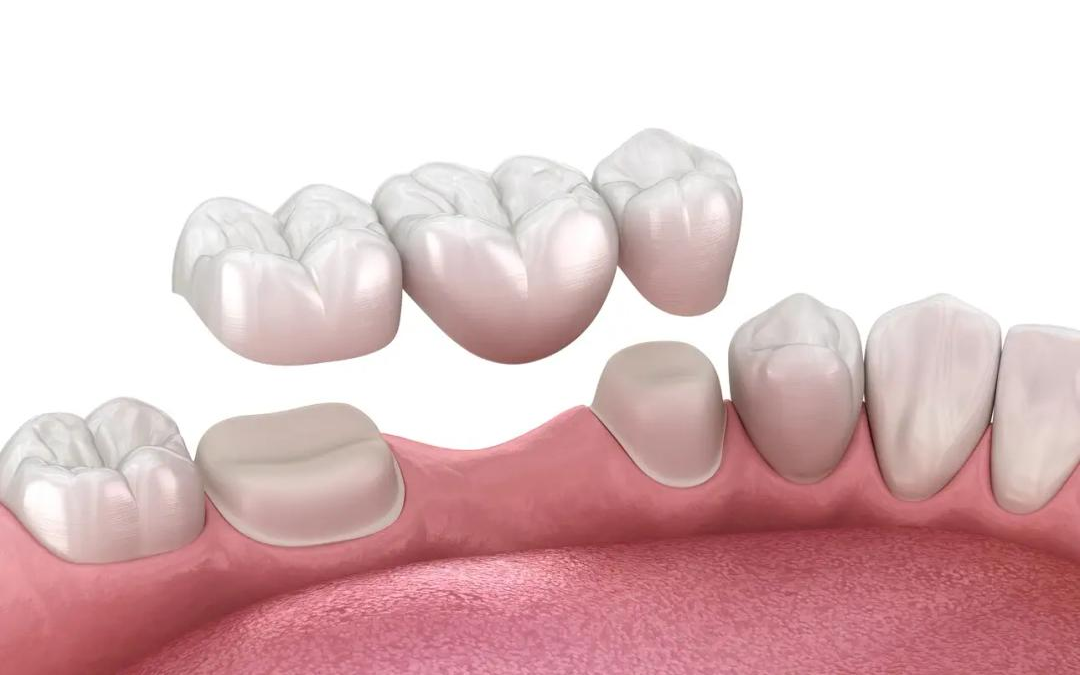
Replacing a missing tooth involves more than comparing the initial treatment price. A dental bridge and a dental implant have different procedures, maintenance needs, materials, and potential future costs. Looking at the complete financial picture may help patients make a more informed decision.
A dentist in Wallaceburg can assess the condition of the mouth and explain which tooth replacement options may be appropriate for an individual situation.
Understanding the Cost of a Dental Bridge
A dental bridge replaces a missing tooth by using neighbouring teeth or other structures for support. Traditional bridges typically involve preparing the teeth next to the gap before placing the restoration. The initial cost may be lower than an implant in some cases.
However, the total expense can depend on the type of bridge, materials used, number of teeth involved, and whether the supporting teeth require treatment. Over time, a bridge may require maintenance, repair, or replacement. Changes in the supporting teeth or surrounding oral tissues can also affect the restoration.
Regular dental examinations may help identify changes before they become more complicated. Proper cleaning around and underneath the bridge is also important for maintaining oral hygiene.
Understanding the Cost of a Dental Implant
A dental implant replaces a missing tooth using an implant placed in the jawbone, followed by an abutment and dental crown. Treatment may involve several stages rather than a single appointment.
The initial expense may therefore be higher. The overall cost can depend on factors such as the implant system, crown material, diagnostic procedures, and whether additional treatment is needed before placement. In some cases, bone grafting or other preparatory procedures may be considered. These additional treatments can increase the total cost.
Implants also require regular dental care. Although an implant itself is not a natural tooth, the surrounding gums and tissues still require attention. The crown and other components can also experience wear over time.
Which Costs More Over the Years?
There is no universal answer. A bridge may have a lower initial cost, while an implant may involve greater upfront expenses. Long-term costs depend on how the treatment performs, maintenance requirements, future repairs, and the individual patient’s oral health.
The condition of neighbouring teeth is another consideration. A bridge relies on supporting structures, while an implant is designed to function independently of adjacent teeth. A family dentist in Wallaceburg can discuss these factors during an examination and provide information about expected treatment stages and associated fees.
What Should You Consider Besides Price?
Budget is important, but it should not be the only consideration. Patients may also want to ask about treatment time, daily cleaning, expected maintenance, durability, and the condition of the surrounding teeth and gums.
Insurance coverage may differ between procedures. Some plans may cover certain portions of restorative treatment but exclude or limit other expenses. Reviewing coverage before treatment may help clarify potential out-of-pocket costs.
Making a Practical Financial Decision
A dental bridge and implant represent different approaches to replacing a missing tooth. Comparing only the first invoice may not provide a complete picture.
An individual dental assessment allows the dentist to consider oral health, available space, supporting teeth, bone condition, treatment requirements, and budget. Patients can then discuss the potential short-term and long-term costs before deciding how to proceed.
Discuss Your Tooth Replacement Options!
Wallaceburg Dental Centre can assess missing teeth and discuss restorative options based on your individual dental needs. Understanding the treatment process, potential costs, maintenance requirements, and alternatives may help you make a decision that fits your circumstances. Contact our clinic to arrange an assessment and discuss your tooth replacement options with the dental team.